
RÉSISTANCE ÉPISTÉMIQUE ET CONSTRUCTION D'ESPACES SÉCURISÉS PATRICIA HILL COLLINS ET L'EXPÉRIENCE DES FEMMES NOIRES DANS LE SEMI-ARIDE BRÉSILIEN
Barre latérale de l'article
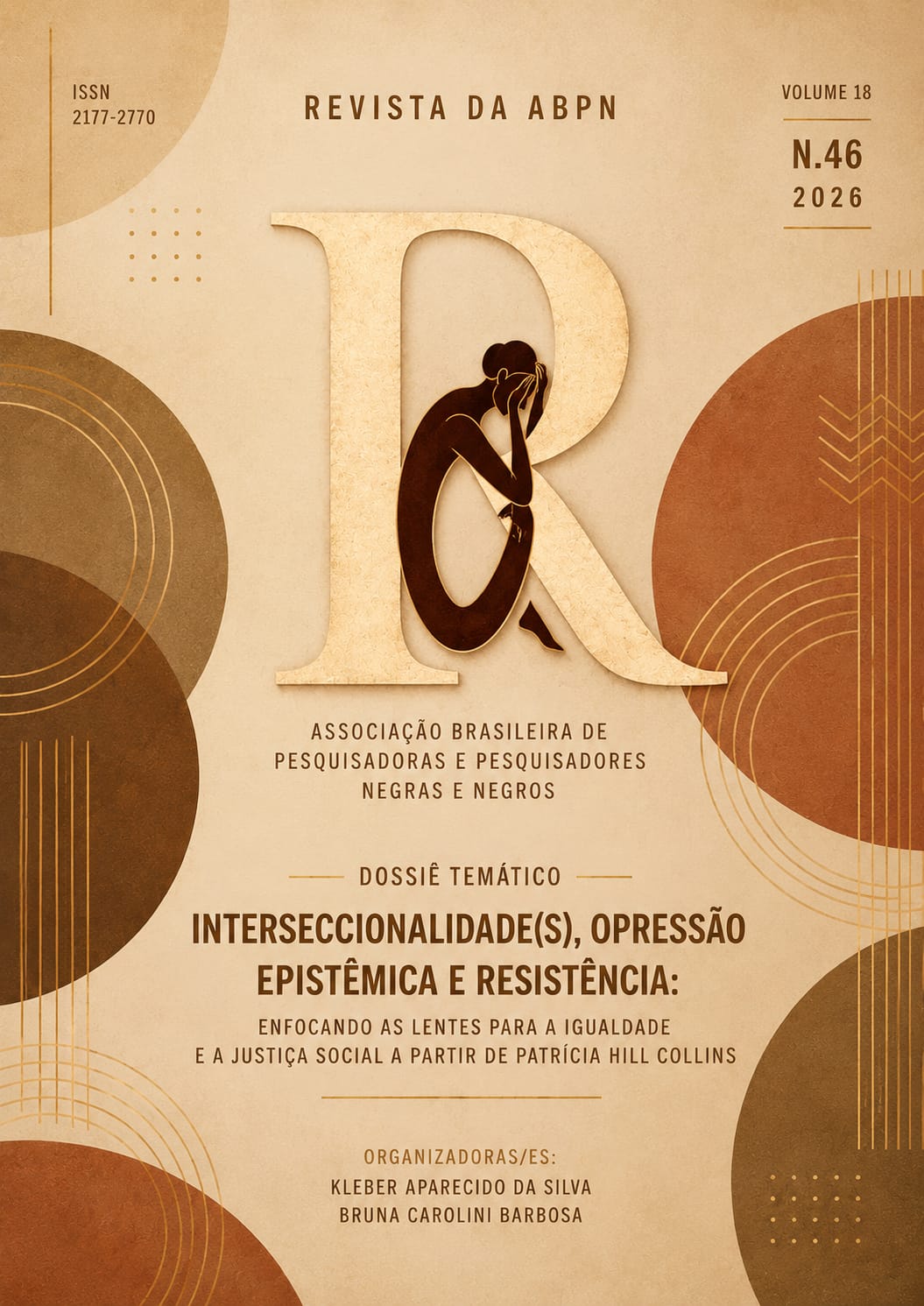
Contenu principal de l'article
Résumé
L'article traite de la construction d'espaces sûrs de résistance par les femmes noires, à partir des apports de la pensée de Patricia Hill Collins. Nous avons cherché à articuler les éléments théoriques proposés par l'auteur avec les résultats d'une expérience empirique de vulgarisation universitaire réalisée auprès de femmes noires rurales. La méthode utilisée combine recherche théorique et recherche-action participative, impliquant 20 femmes noires de 10 municipalités de la région semi-aride de Bahia, à travers des rencontres à distance et en personne. Les résultats indiquent que la confluence entre l'analyse intersectionnelle, la résistance épistémique et la praxis communautaire permet le développement d'une clé d'interprétation psychosociale qui émerge de l'expérience de construction d'espaces sûrs pour bien vivre.
Renseignements sur l'article

Cette œuvre est sous licence Creative Commons Attribution 4.0 International.
Declaración de Derecho Autoral
- Los autores conservan los derechos de autor y otorgan a la revista el derecho de la primera publicación, con el trabajo licenciado simultáneamente bajo la Licencia Creative Commons Attribution License CC-BY 0 que permite compartir el trabajo con el reconocimiento de la autoría del trabajo y la publicación inicial en esta revista.
- Los autores están autorizados a celebrar contratos adicionales por separado para la distribución no exclusiva de la versión del trabajo publicado en esta revista (por ejemplo, publicación en repositorio institucional o capítulo de libro), con reconocimiento de autoría y publicación inicial en esta revista.
- Se permite y se alienta a los autores a publicar y distribuir su trabajo en línea (por ejemplo, en repositorios institucionales o en su página personal) en cualquier momento antes o durante el proceso editorial, ya que esto puede conducir a cambios productivos y a aumentar impacto y cita del trabajo publicado (Vera El Efecto del Acceso Libre).